Panel 1: Reading the Circuit
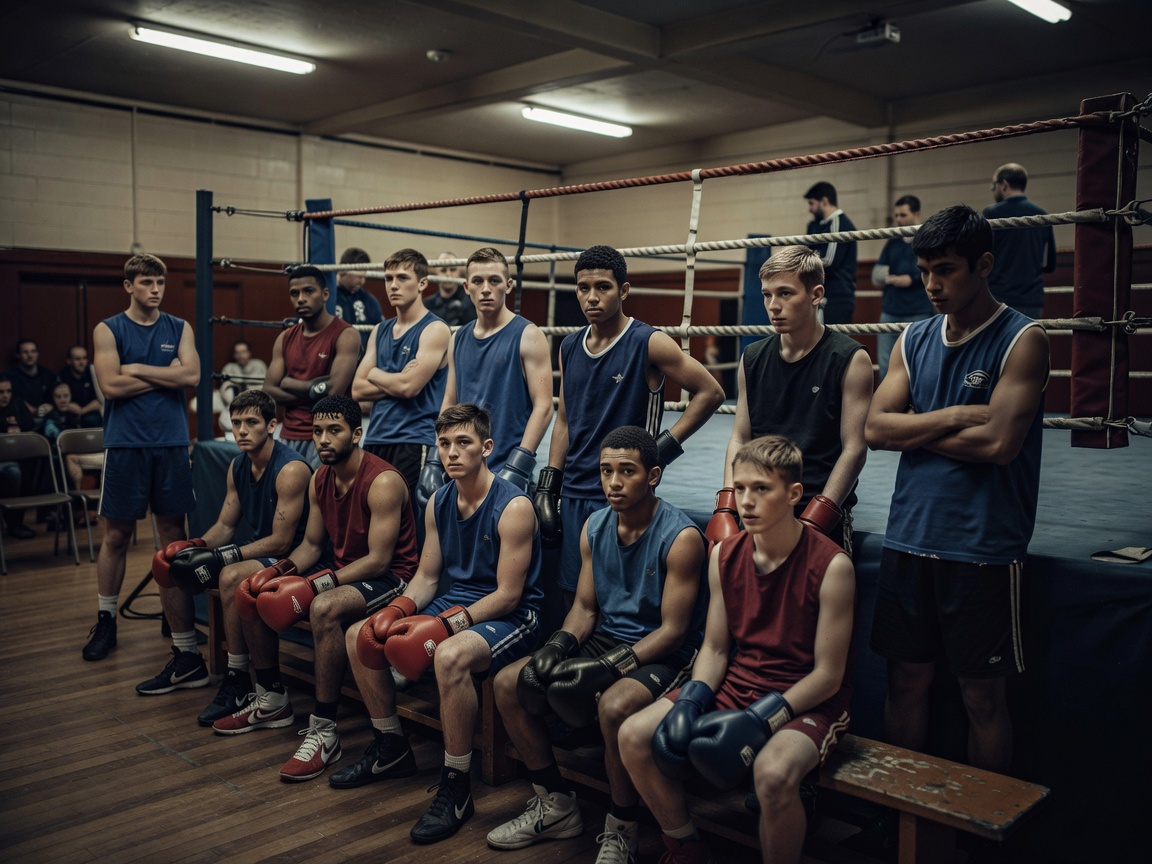
Circuit Tiers
Club shows and gym sessions
The lowest tier is the most honest. Club shows in leisure centres, working men's clubs and community halls pair boxers by weight, age and experience, so mismatches are rare and nerves are high. This is where you see raw temperament. A boxer who stays calm in front of family and neighbours, with a borrowed corner and a small ring, is showing you something no highlight reel will.
Gym visits add the other half. Sparring sessions at clubs like Gleason's Gym in Brooklyn or Wild Card in Hollywood reveal work rate, how a boxer takes instruction and how they behave when a senior pro leans on them. Ask the head coach before watching, never film without permission, and treat the session as their workplace.
Note the coach as well as the boxer. Emanuel Steward's Kronk Gym in Detroit showed how a club culture can carry boxers from novice bouts to world titles. A strong coach with a consistent style often signals better long-term development than one standout result.
Regional and national championships
Regional qualifiers feed national championships run by bodies such as England Boxing, USA Boxing and their equivalents. Here, draws stop being curated. A boxer can face three or four opponents in a few days, which tests recovery, adaptation and weight management.
In the United States, the Golden Gloves series remains a classic proving ground. The Chicago tournament dates to 1923 and New York's to 1927, and the alumni list runs from Joe Louis to modern champions. A Golden Gloves title still carries weight, but scouts look at who was in the bracket that year, not just the trophy.
Watch the semi-finals more closely than the finals. Fatigue is high, the opponent is good, and the corner has had time to prepare a plan. How a boxer executes that plan, or abandons it, is the most useful reading of the weekend.
International tournaments
Junior and youth world and continental championships, the Commonwealth Games and Olympic qualifiers put a boxer against unfamiliar styles. World Boxing, founded in 2023, now organises much of the international Olympic-style calendar.
International results need extra care. Some nations send full-strength teams, others send development squads. A medal at a lightly contested event can mean less than a quarter-final loss to an eventual Olympic champion. Track the draw, not the podium.
Style exposure is the real value here. Cuban, Kazakh, Uzbek and Irish programmes each produce recognisable approaches. A boxer who solves an unfamiliar style mid-bout shows ring intelligence that domestic competition rarely tests.
Planning a viewing season
- Anchor dates: mark national championships and Golden Gloves finals first.
- Back-fill: add regional qualifiers four to eight weeks earlier.
- Gym days: schedule visits in quiet weeks, not fight week.
- Rotate: rewatch your shortlist at a different tier each time.
- Log: one sheet per viewing, dated, with the opponent named.
Three viewings at two tiers is the minimum before a written rating. One great night is a data point; consistency across settings is a signal. Continue with Panel 2: Methods in Detail for the evaluation sheet itself.
Circuit Checks
Can I attend club shows as a scout?
Most are public ticketed events. Introduce yourself to the organiser and respect any rules on photography, especially for junior bouts.
Which tier should a beginner scout start with?
Club shows. They teach you to read temperament and fundamentals before you add bracket analysis.